Yueqing City, Wenzhou City, Zhejiang Province, China +86-15355913677 sales1@cksoftstarter.com
Follow Us -
News

How Does a Built-in Bypass Soft Starter Handle the Moment After the Motor Reaches Full Speed?

2026-09-18 0 Leave me a message

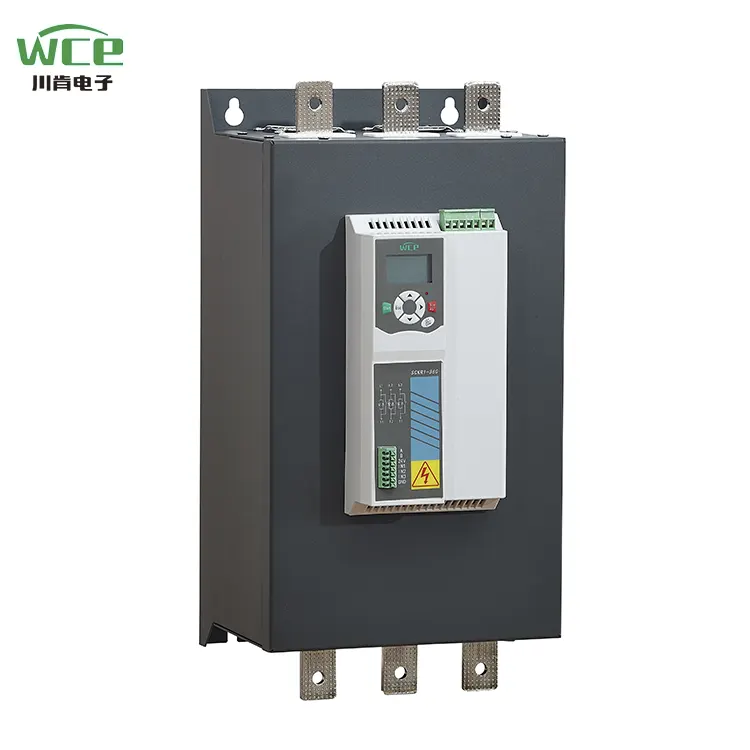
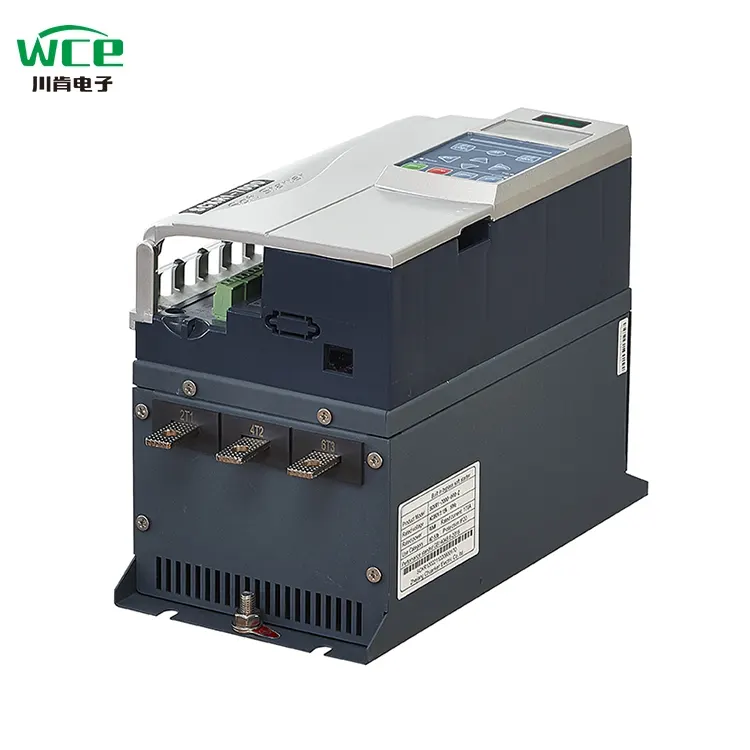
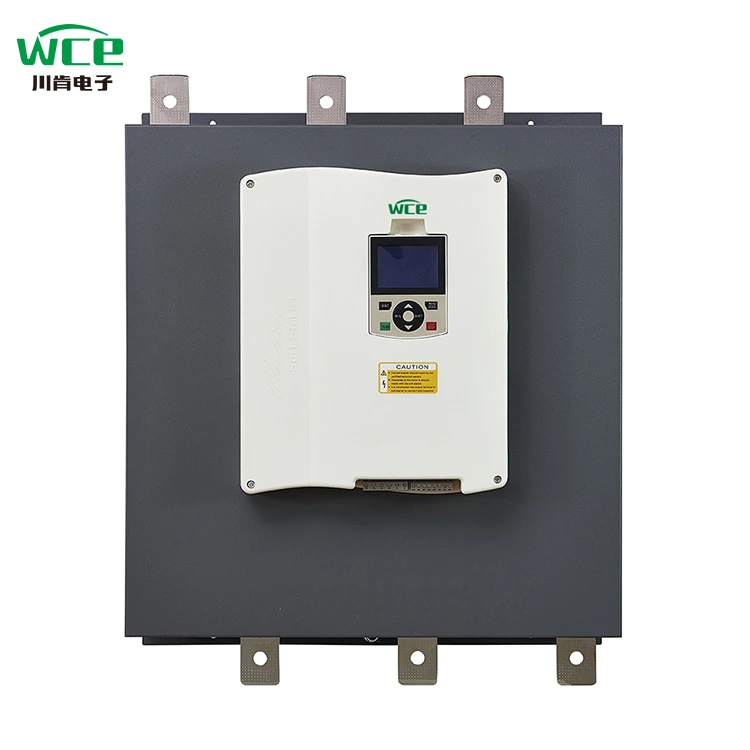
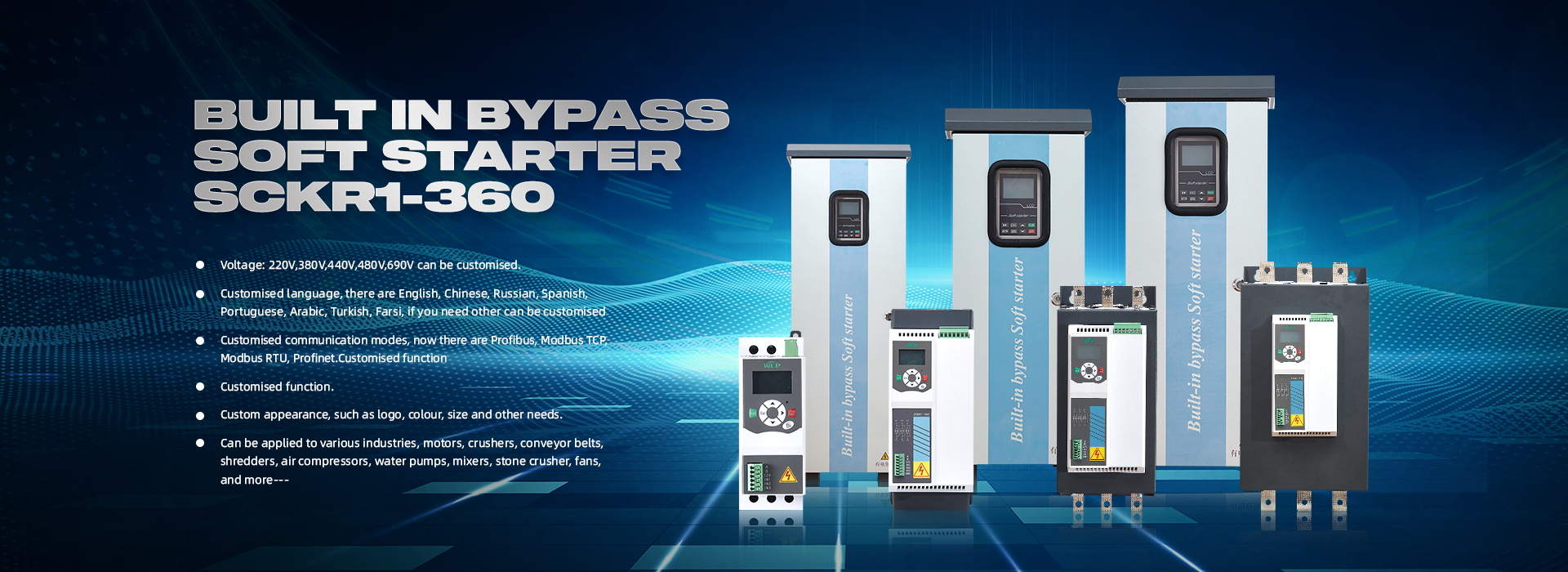
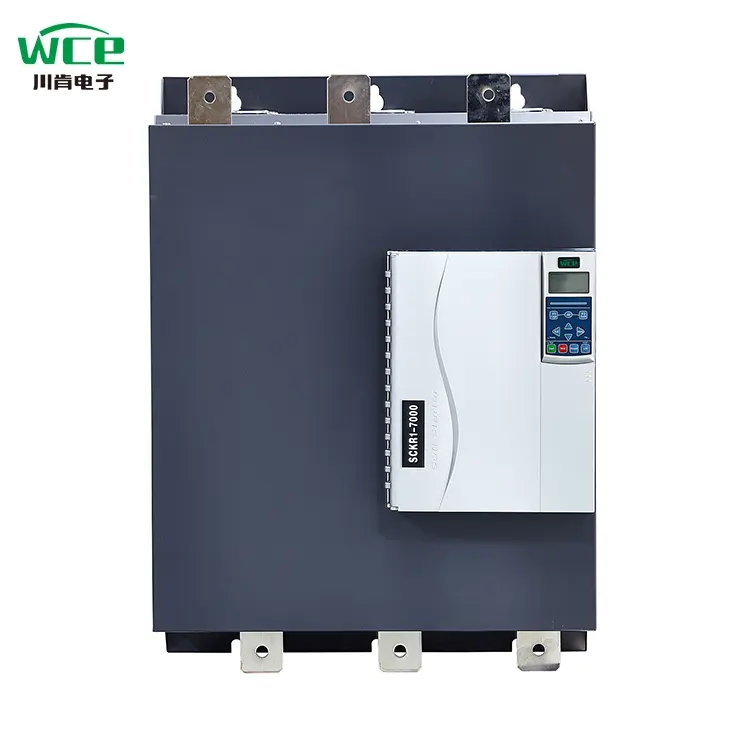
When a 110kW motor starts, the soft starter gradually raises voltage and limits the inrush current. The motor accelerates smoothly to rated speed. The starting task is done. What happens next is where the design of the soft starter really shows. The WCE 110kW Turkish Built in Bypass Soft Starter keeps the bypass function inside the unit, and the way it manages the post-start phase affects heat, maintenance, and long-term reliability.

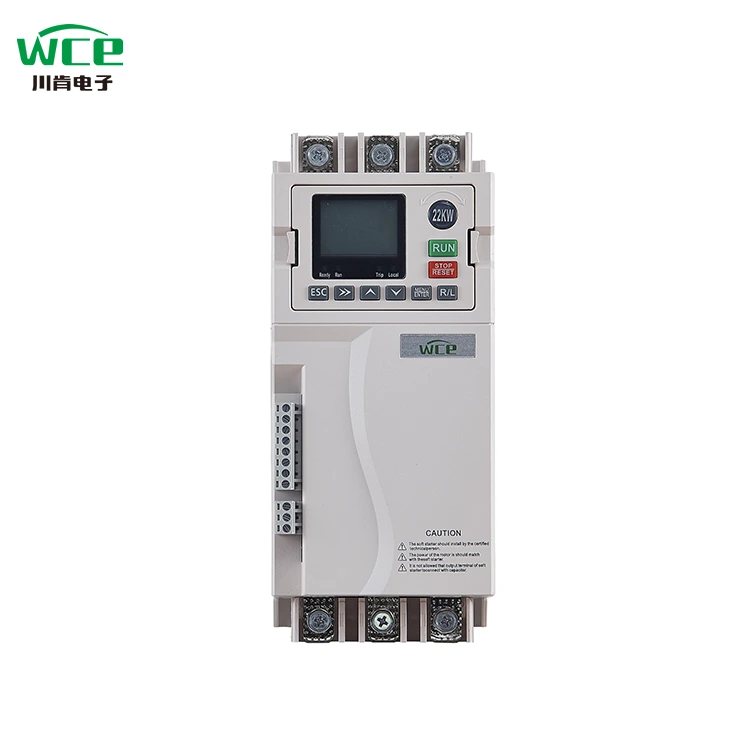
110kW Turkish Built in Bypass Soft Starter

📌

The Handover from Thyristors to Contactor
Why a DC Contactor Instead of AC
Heat Management After the Bypass Engages
Components and Manufacturing Cooperation
Installation and Operation Details
Communication and Protection Functions
Application Scenarios

The Handover from Thyristors to Contactor

Short-Duration Work for the Thyristors
The thyristors inside a soft starter are designed to regulate voltage during the start. Once the motor reaches full speed, their job is finished. If they continue to carry the running current, they generate heat continuously. That heat builds up inside the cabinet and affects other components nearby.

Switching to the Bypass Path
The built-in bypass closes a set of contacts after the motor reaches rated speed. The thyristors stop conducting. Current now flows through the bypass contactor instead. The soft starter's power section cools down, and the motor runs as if connected directly to the line, but without the starting stress of a direct-on-line start.

No External Contactor Required
Traditional installations need a separate AC contactor mounted outside the soft starter, along with the wiring and configuration that goes with it. The WCE unit eliminates that external component. The bypass is already inside, matched to the soft starter's rating and control logic at the factory.

Why a DC Contactor Instead of AC?

Performance Difference
The bypass contactor in this soft starter is a custom DC design. Compared with ordinary AC contactors, the DC contactor offers higher performance in several measurable areas. Heat generation is reduced, safety is improved, and energy efficiency is better. The contactor is built to handle the running current of a 110kW motor without the frequent maintenance that AC contactors often require.

Silver Contacts and Larger Contact Surface
The DC contactor uses silver contacts with a larger contact surface. This reduces contact resistance and slows down wear. The result is a service life of up to 100,000 engagement cycles. For pumps and fans that start and stop multiple times per day, this translates to years of reliable operation before the contactor needs attention.

Reduced Maintenance and Downtime
Because the contactor is designed for long life and low heat, the maintenance interval is extended. There are fewer unexpected shutdowns caused by contactor failure. For continuous-duty applications such as water treatment or industrial ventilation, this reliability matters.

Heat Management After the Bypass Engages

Less Heat from the Power Section
Once the bypass takes over, the thyristors stop conducting and the main heat source inside the soft starter is reduced. However, the bypass contactor itself still carries the full running current and generates some heat. The WCE design addresses this with active cooling.

24V High-Speed DC Fan and 360° Airflow
All 360 series soft starters rated 18.5kW and above include a 24V high-speed DC fan. The fan works with a 360° all-round heat dissipation design to move air across the internal components. This keeps the contactor and other parts at lower temperatures during extended running periods. Lower temperatures reduce the risk of overheating shutdowns and extend the service life of the soft starter.

Components and Manufacturing Cooperation

Customized Modules and Thyristors
WCE cooperates with Hubei Taiji, a domestic listed company, to use customized modules and thyristors in the 360 series. These components differ from the generic modules commonly found in the market. The customized parts improve load capacity and provide a more stable foundation for the soft starter's operation.

Circuit Board Protection
The circuit boards are sprayed with three anti-paint coatings, providing moisture-proof, dustproof, and short-circuit protection. High-quality SMD and plug-in components are used throughout. This manufacturing approach increases durability and safety in environments where humidity, dust, or temperature variation could otherwise affect performance.

Installation and Operation Details

Press-Type Control Terminals
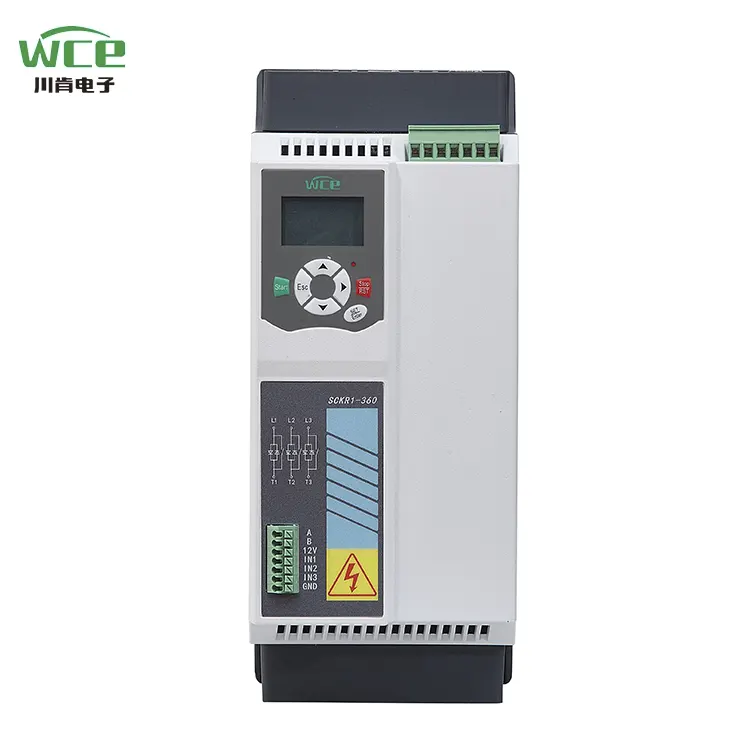
The control terminal socket uses a press-type design. Wiring is done by pressing the terminal, inserting the wire, and releasing to lock it in place. This eliminates the need for screwdrivers and reduces the time spent on control wiring. The pluggable terminals include one set of communication terminals, four groups of digital inputs, one analog output, and two programmable relays.

Simulation Testing Without Main Power
The soft starter includes an operation simulation function. Even when the main circuit is not connected to power, the unit can simulate the start, run, and stop sequence of the motor. This allows technicians to verify that the soft starter's internal components are working correctly before energizing the main circuit. It simplifies commissioning and troubleshooting.

LCD Display and External Keyboard
The 360 series uses a four-line LCD screen with a simple interface. The display supports Chinese and English, with customization available for other languages. An external keyboard can be plugged in for remote operation, allowing the user to adjust parameters without opening the cabinet door.

Communication and Protection Functions

Communication Options
The soft starter comes standard with Modbus RTU communication. Profibus and Profinet can be added through expansion cards. Mobile APP control is also supported as a customized option. These communication methods allow remote debugging and control, reducing the need for site visits during commissioning or parameter adjustments.

Motor Protection Functions
The unit includes overvoltage protection, undervoltage protection, overcurrent protection, overload protection, underload protection, phase loss protection, bypass fault detection, thyristor fault detection, three-phase current unbalance protection, and overheat protection. These functions monitor the motor and soft starter during operation and respond to abnormal conditions before they cause damage.

Wide Voltage Range
The soft starter accepts main power supply input voltages of 220V to 380V. The rated current range covers 1.2A to 230A, suitable for general squirrel cage AC asynchronous motors. Starting modes include voltage ramp, current ramp, and torque. Stopping modes include soft stop, free stop, brake stop, and adaptive stop.

Application Scenarios

Fans
Fan blades and rotors have high inertia. Starting a large fan directly places stress on bearings, belts, and blades. The soft starter reduces the mechanical shock by gradually increasing speed. For fans that do not require speed regulation during normal operation, the built-in bypass provides a simple and cost-effective solution.

Water Pumps and Field Irrigation
In pump applications, the soft starter controls the motor that drives the water pump. Voltage ramp or current-limited starting brings the pump up to speed gradually, avoiding the high current surge of direct starting. The soft stop function reduces the water hammer effect when the pump shuts down. For irrigation systems where speed regulation is not needed, a soft starter costs less than a variable frequency drive while providing the necessary start-stop control.

Horizontal Conveyor Belt Transportation
Conveyors benefit from gradual starting to avoid material spillage and mechanical stress. The soft starter brings the belt up to speed smoothly, and the bypass contactor takes over for continuous running. The compact size of the unit allows it to replace star-delta starters in existing cabinets, saving space and simplifying wiring.

Replacement of Star-Delta Starters
The built-in bypass soft starter has a smaller volume than traditional star-delta starting equipment. It can directly replace star-delta contactors in existing installations, reducing the amount of cabinet space required and simplifying the circuit. The installation process is faster, and the material cost for cables and contactors is lower.

Contact WCE for specifications, communication options, or technical support for the 110kW Turkish Built in Bypass Soft Starter.

Related News
Leave me a message
X
We use cookies to offer you a better browsing experience, analyze site traffic and personalize content. By using this site, you agree to our use of cookies.Privacy Policy
RejectAccept