Yueqing City, Wenzhou City, Zhejiang Province, China +86-15355913677 sales1@cksoftstarter.com
Follow Us -
News

Why Is a Single Phase Input VFD for AC Motor the Smart Choice for Modern Equipment?

2026-05-22 0 Leave me a message

A Single Phase Input VFD for AC Motor has become an essential solution for users who need reliable motor speed control but only have access to single-phase power. Whether used in workshops, agricultural systems, HVAC equipment, pumps, fans, conveyors, or small manufacturing lines, a VFD helps optimize motor operation while reducing energy consumption and mechanical wear.

This comprehensive guide explains how single phase input VFDs work, their major advantages, installation considerations, troubleshooting methods, application scenarios, and key buying factors. It also explores how advanced manufacturers such as Zhejiang Chuanken Electric Co., Ltd. deliver efficient and dependable motor control solutions for modern industries.

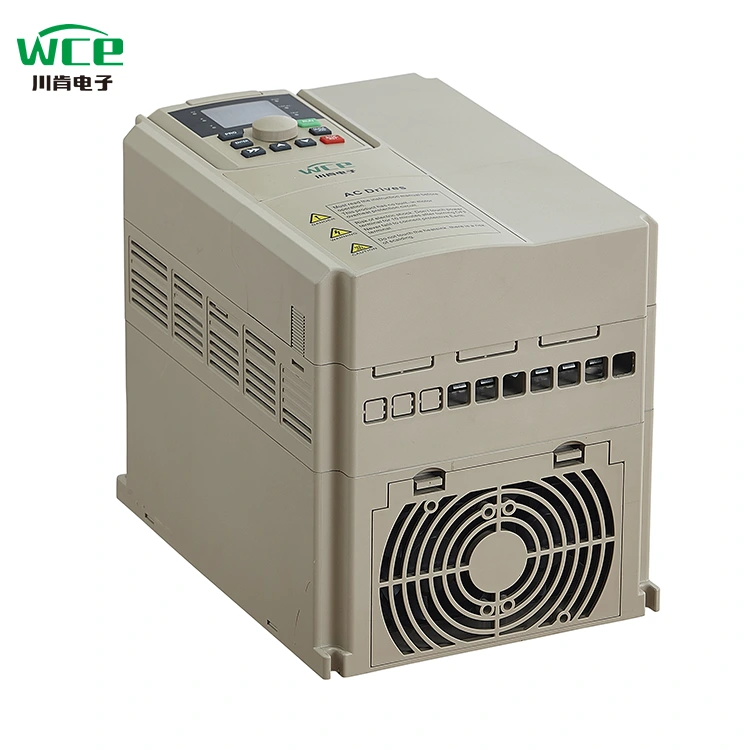
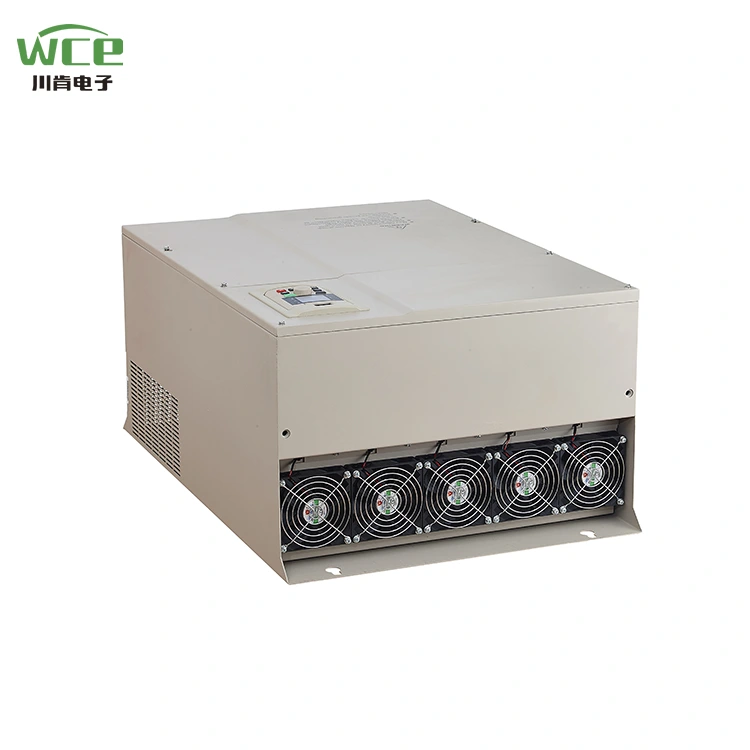
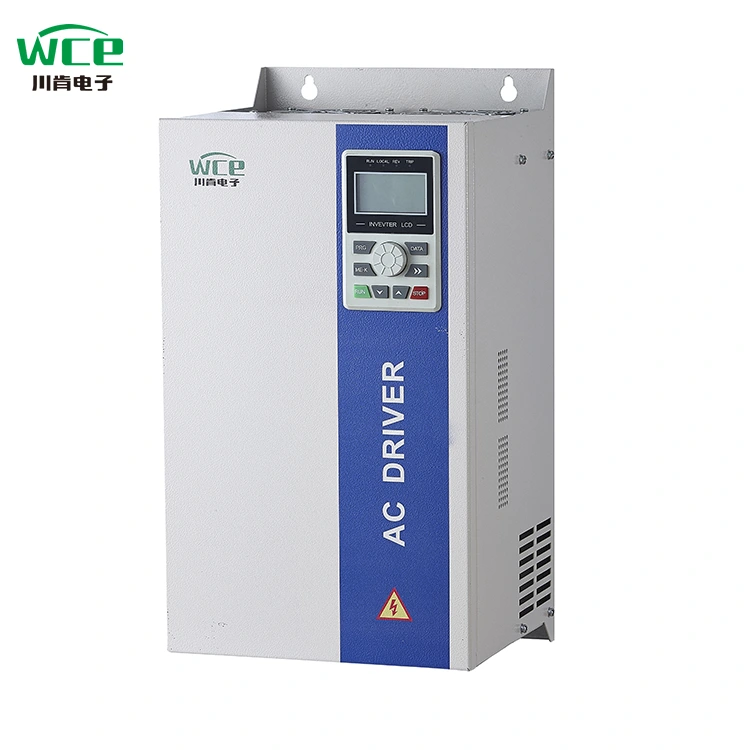
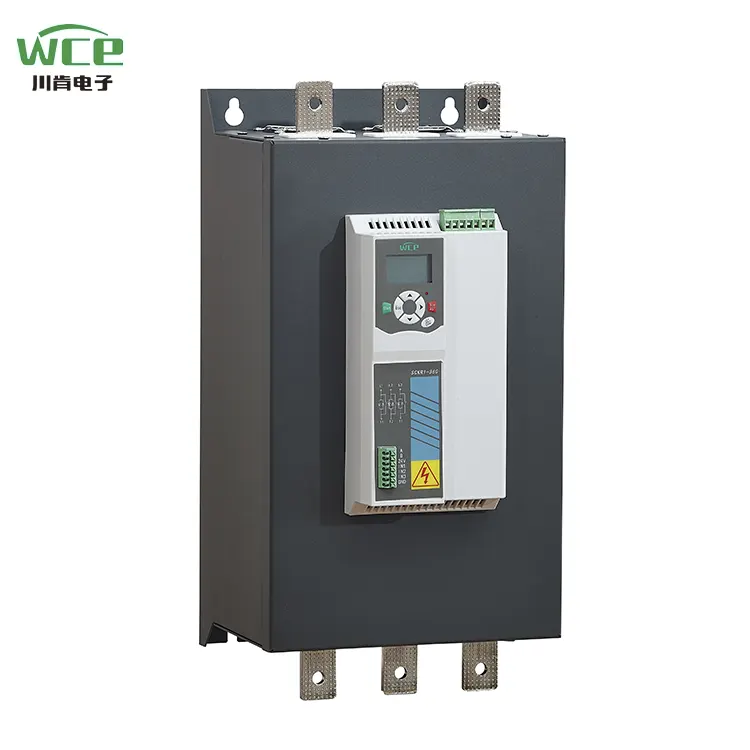
Single Phase Input VFD for AC Motor


1. Understanding Single Phase Input VFD for AC Motor

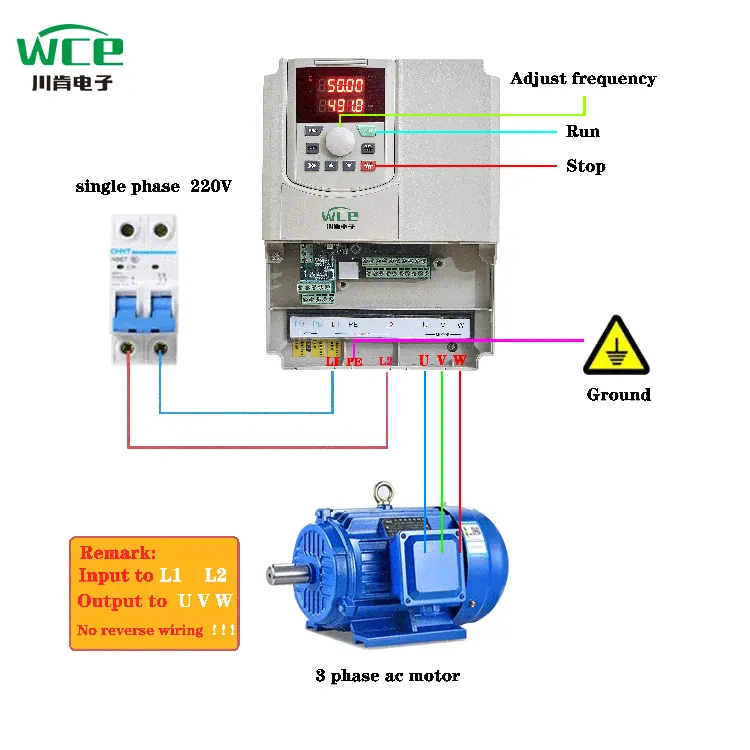
A Single Phase Input VFD for AC Motor is a variable frequency drive designed to operate using a single-phase electrical power source while controlling the speed and torque of an AC motor. It converts incoming AC power into DC power and then recreates adjustable-frequency AC output for the motor.

In many small factories, repair shops, farms, and residential industrial environments, only single-phase power is available. Traditional three-phase motors cannot operate directly in such locations without expensive infrastructure upgrades. This is where a single phase input VFD becomes highly valuable.

Key Functions of a VFD

  • Motor speed adjustment
  • Soft start and soft stop control
  • Energy consumption reduction
  • Overload protection
  • Torque optimization
  • Process automation support
  • Mechanical wear reduction

Modern VFD systems are compact, intelligent, and easy to integrate into industrial automation systems. They are widely used across multiple industries because they improve operational flexibility while lowering long-term operating costs.


2. How Does a Single Phase Input VFD Work?

Understanding the operating principle of a VFD helps users select and configure the right system for their equipment.

Stage Function
Rectification Converts incoming AC power into DC power
DC Bus Filtering Smooths and stabilizes the DC voltage
Inversion Creates adjustable-frequency AC output
Motor Control Regulates motor speed and torque precisely

By adjusting output frequency and voltage, the VFD allows operators to control motor speed without mechanical gear systems. This creates smoother operation and significantly improves efficiency.

Advanced VFDs also include programmable parameters, digital displays, communication protocols, and protection functions for industrial-grade reliability.


3. Main Benefits of Using a Single Phase Input VFD for AC Motor

Energy Efficiency

VFDs reduce unnecessary power consumption by matching motor speed to actual load requirements.

Soft Start Protection

Gradual acceleration minimizes startup current and prevents sudden mechanical stress.

Precise Speed Control

Operators can fine-tune motor speed for improved production accuracy and flexibility.

Longer Equipment Life

Reduced vibration and smoother operation help extend motor and machinery lifespan.

Many users install VFDs primarily for energy savings, but they soon discover additional operational benefits such as quieter operation, improved process consistency, and reduced maintenance requirements.


4. Common Industrial Applications

Single phase input VFD systems are extremely versatile and can be used across a wide range of applications.

Industry Typical Application
Agriculture Water pumps, irrigation systems
Manufacturing Conveyors, machine tools, mixers
HVAC Fans, blowers, ventilation systems
Woodworking Saws, sanders, dust collectors
Commercial Buildings Pumps, compressors, escalators

In environments where only residential or light commercial power is available, single phase input VFDs allow users to operate industrial-grade three-phase motors efficiently and economically.


5. Energy Saving Advantages

One of the biggest reasons businesses invest in VFD technology is energy optimization. Motors running at constant full speed waste substantial electricity, especially in variable-load applications such as pumps and fans.

With a VFD, motor speed can be reduced during lower demand periods. Even a small speed reduction may result in major energy savings.

Potential Benefits

Lower electricity bills • Reduced heat generation • Improved system efficiency • Smaller maintenance costs

Facilities operating multiple motors often recover their VFD investment quickly through reduced operating expenses and improved process control.


6. Single Phase Input VFD vs Three Phase VFD

Feature Single Phase Input VFD Three Phase VFD
Power Source Single-phase power Three-phase power
Typical Usage Small workshops and light industry Heavy industrial facilities
Installation Cost Lower Higher
Availability Ideal for locations without three-phase power Requires industrial infrastructure

For many small and medium-sized businesses, single phase input VFDs provide the perfect balance between performance, affordability, and installation simplicity.


7. How to Choose the Right Single Phase Input VFD

Selecting the correct VFD is essential for achieving reliable performance and avoiding costly failures.

Important Selection Factors

  1. Motor voltage and horsepower rating
  2. Input and output current requirements
  3. Environmental conditions
  4. Overload capacity
  5. Communication compatibility
  6. Cooling method
  7. Protection features
  8. Installation space

Reputable manufacturers such as Zhejiang Chuanken Electric Co., Ltd. provide multiple VFD series designed for different industrial requirements, helping customers match the correct drive to their applications.

Users should also evaluate future scalability needs when selecting a VFD. Choosing a model with additional programmable functions can improve long-term operational flexibility.


8. Installation Best Practices

Proper installation plays a critical role in VFD reliability and lifespan.

Electrical Safety

Ensure proper grounding and use suitable circuit protection devices to prevent electrical hazards.

Ventilation

Install the VFD in a clean and well-ventilated area to avoid overheating.

Cable Management

Use shielded motor cables where necessary to reduce electromagnetic interference.

Technicians should always follow manufacturer guidelines and local electrical standards during installation.


9. Common Mistakes to Avoid

Even high-quality VFDs can experience problems if users make incorrect configuration or installation decisions.

  • Undersizing the VFD for motor load
  • Ignoring ambient temperature requirements
  • Improper wiring connections
  • Incorrect acceleration or deceleration settings
  • Poor ventilation and dust exposure
  • Using incompatible motors
  • Skipping regular inspections

Avoiding these common mistakes helps maximize operational reliability and extends equipment service life.


10. Maintenance and Troubleshooting

Preventive maintenance is essential for maintaining VFD performance over time.

Issue Possible Cause Solution
Overheating Blocked airflow Clean cooling system
Motor vibration Improper parameter settings Adjust frequency settings
Drive trip faults Overload condition Check motor load
Communication errors Wiring or parameter issue Inspect communication setup

Routine inspection of cooling fans, terminals, and parameter settings can prevent unexpected downtime and improve long-term stability.


11. Future Trends in VFD Technology

VFD technology continues to evolve rapidly as industries move toward automation and intelligent manufacturing.

Emerging trends include:

  • Smart IoT-enabled monitoring systems
  • AI-assisted predictive maintenance
  • Higher energy efficiency standards
  • Compact and modular drive designs
  • Cloud-based diagnostics and remote control
  • Enhanced cybersecurity protection

Manufacturers investing in advanced R&D are developing next-generation VFDs capable of delivering greater reliability, flexibility, and automation integration.


12. Frequently Asked Questions

Can a single phase input VFD run a three-phase motor?

Yes. One of the main advantages of a single phase input VFD is its ability to power three-phase motors in locations where only single-phase electricity is available.

Does a VFD reduce electricity consumption?

Yes. By adjusting motor speed according to actual load requirements, a VFD can significantly reduce energy waste.

Is installation difficult?

Installation is generally straightforward when performed by qualified technicians following the manufacturer’s guidelines.

Can VFDs improve motor lifespan?

Absolutely. Soft start and controlled operation reduce mechanical stress and thermal damage.

Which industries commonly use VFDs?

Agriculture, manufacturing, HVAC, water treatment, woodworking, food processing, and commercial building systems all widely use VFD technology.


13. Conclusion

A Single Phase Input VFD for AC Motor is an efficient and practical solution for businesses and individuals seeking flexible motor control without requiring expensive three-phase electrical infrastructure. From improving energy efficiency to enhancing operational reliability, VFD technology has become indispensable across modern industries.

Whether operating pumps, fans, conveyors, compressors, or industrial machinery, the right VFD can optimize performance while reducing maintenance and operating costs.

Zhejiang Chuanken Electric Co., Ltd. continues to provide advanced motor control solutions designed to meet the growing demands of industrial automation and energy-efficient operation. Choosing a reliable supplier ensures better performance, stronger technical support, and long-term operational value.

Contact us today to learn more about high-performance Single Phase Input VFD products, customized motor control solutions, and technical support for your industrial applications.

Related News
Leave me a message
X
We use cookies to offer you a better browsing experience, analyze site traffic and personalize content. By using this site, you agree to our use of cookies. Privacy Policy
Reject Accept