Yueqing City, Wenzhou City, Zhejiang Province, China +86-15355913677 sales1@cksoftstarter.com
Follow Us -
News

Which 75kW Inverter Variable Frequency Drive VFD Fits Your Needs?

2026-10-27 0 Leave me a message
Article Summary


A 75kW inverter variable frequency drive (VFD) provides adjustable speed control for compatible AC motors in industrial systems. However, selecting the right drive requires more than matching the power rating. Buyers must consider motor rated current, supply voltage, overload requirements, load characteristics, operating speed, ambient conditions, and control functions. This guide explains how a 75kW VFD works, where it can be used, which specifications deserve attention, and how to avoid common selection and installation problems. It also offers a practical purchasing checklist for engineers, equipment manufacturers, system integrators, and industrial distributors working with Zhejiang Chuanken Electric Co., Ltd.

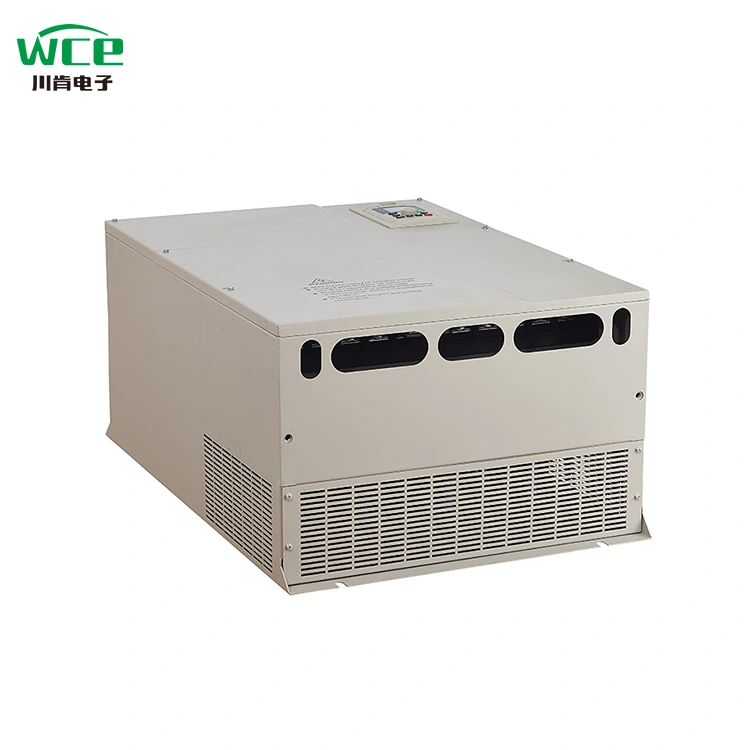
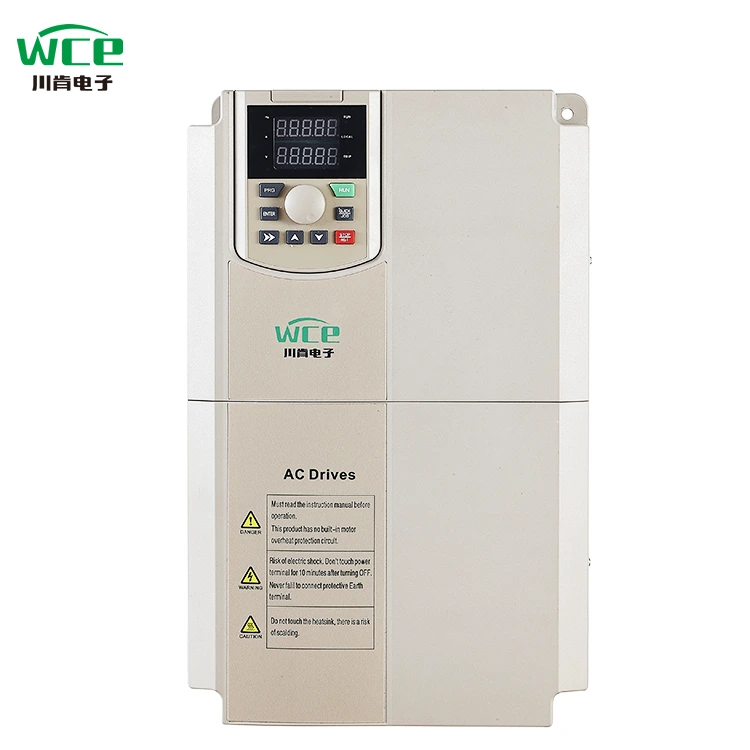
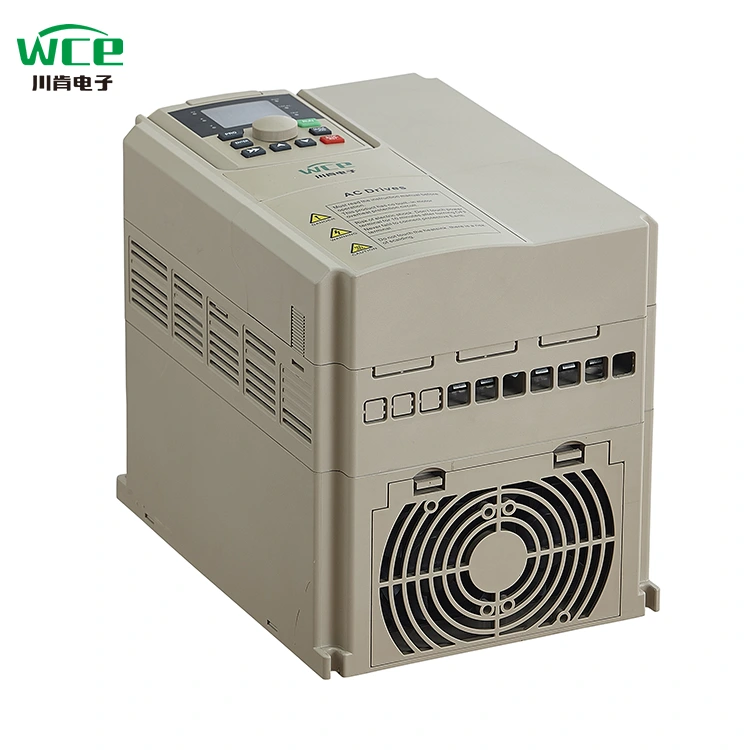
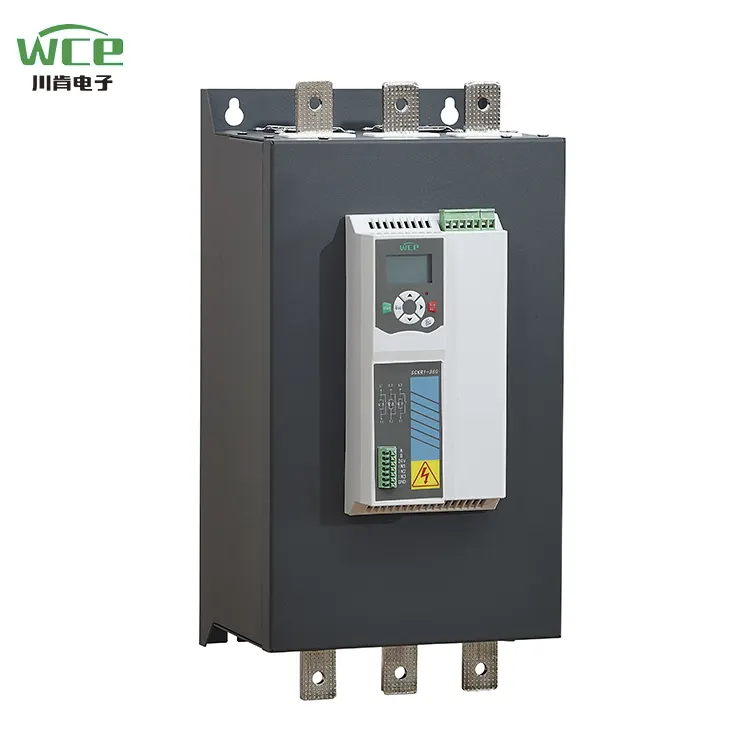
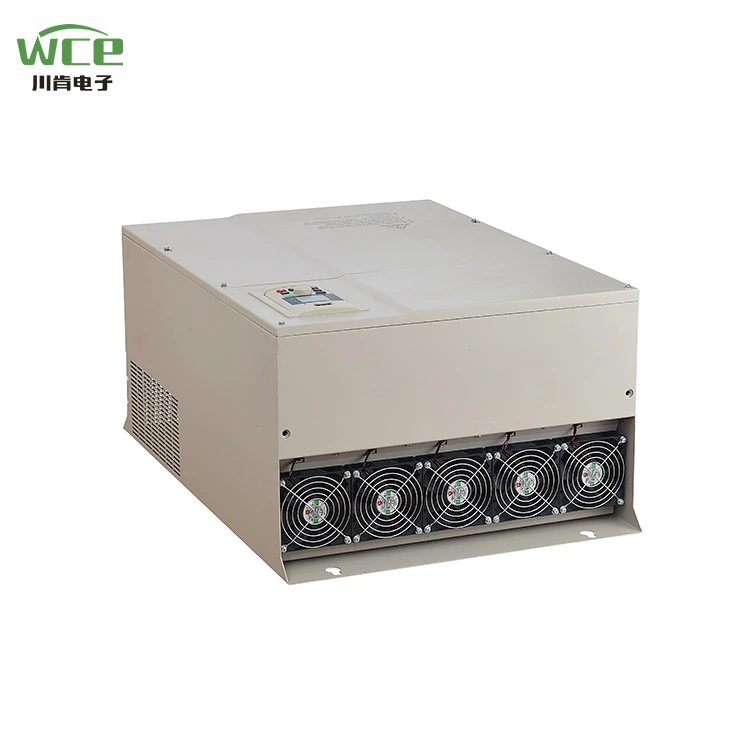
A 75kW inverter variable frequency drive (VFD)


01 · Product Fundamentals

Understanding a 75kW Inverter Variable Frequency Drive

Industrial motors power pumps, fans, compressors, conveyors, mixers, and many other types of machinery. In applications where the required speed changes with production demand, running a motor continuously at full speed may create unnecessary energy consumption, mechanical stress, or process instability.

A 75kW inverter variable frequency drive VFD is an electronic motor controller designed to regulate the speed and operation of a compatible AC motor by adjusting the output frequency and voltage according to the selected control method. The 75kW designation represents a nominal power class, but the usable motor rating depends on the drive's specific current rating, voltage class, duty rating, and installation conditions.

For equipment manufacturers and industrial buyers, a properly selected VFD can support smoother acceleration, controlled deceleration, improved process adjustment, and more flexible motor operation. It can also provide motor protection functions and monitoring capabilities, depending on the model.

Nevertheless, not every 75kW drive is suitable for every 75kW motor. Two drives with the same nominal power may differ in overload capacity, input configuration, control performance, environmental protection, and communication interfaces.

Key purchasing principle: Treat 75kW as the starting point for product selection. Confirm the motor nameplate current, rated voltage, load profile, required overload capacity, and operating environment before finalizing a drive model.
02 · Operating Principles

How a 75kW VFD Controls Motor Speed

A typical AC variable frequency drive converts incoming AC power into DC through a rectifier and DC link, then uses electronic switching devices to produce an adjustable-frequency AC output. The control system regulates the output according to the selected operating mode and motor requirements.

Adjustable Output Frequency

For an AC induction motor, synchronous speed is related to the supply frequency and the number of motor poles. Reducing the frequency generally lowers motor speed, while increasing it raises speed within the motor and drive's permitted operating range. Actual induction motor speed also depends on load and slip.

Voltage and Motor Control

Many drives use volts-per-hertz (V/f) control for straightforward speed adjustment. Sensorless vector control may provide improved torque control in applications that require more demanding speed or load performance. The available functions depend on the specific VFD model and motor configuration.

Acceleration and Deceleration Management

Adjustable acceleration and deceleration ramps help control how quickly a motor starts and stops. Appropriate ramp settings can reduce abrupt mechanical loading and support more stable production. High-inertia loads or rapid stopping requirements may need additional braking equipment.

Monitoring and Protection

Depending on the model, a VFD may monitor current, voltage, temperature, operating frequency, and fault conditions. Electronic motor overload protection and fault diagnostics can assist maintenance teams, but the drive must be configured correctly and used with any required external protection.

03 · Industrial Applications

Industrial Applications and Operating Benefits of a 75kW VFD

A 75kW VFD may be suitable for medium-to-large industrial motor applications when its electrical ratings and control capabilities match the equipment. Typical applications include the following.

Water Pumps and Process Pumping

Variable speed control can help regulate flow or pressure in pumping systems. With an appropriate control strategy, it may reduce throttling losses, support pressure stability, and help manage changing demand. Pump characteristics and minimum flow requirements must still be respected.

Industrial Fans and Blowers

Fan speed can be adjusted to meet ventilation, cooling, or process airflow requirements. For many centrifugal fan systems, reducing speed can substantially lower power demand, provided that the operating point and process requirements allow it.

Conveyors and Material Handling

Conveyors often require controlled acceleration and stable speed under changing loads. The drive should be selected according to starting torque, load inertia, stopping requirements, and the possibility of frequent starts or overloads.

Mixers and General Manufacturing Machinery

Mixers, production equipment, and other industrial machines may need adjustable speed to accommodate different materials or processing stages. A suitable VFD can improve operating flexibility, although the torque profile and process requirements must guide the control strategy.

Application Typical Control Objective Important Selection Factor
Centrifugal pump Flow or pressure adjustment Variable-torque duty, PID control, minimum flow
Industrial fan Airflow and ventilation control Operating range, cooling, energy optimization
Conveyor Controlled starting and stable transport Starting torque and overload capacity
Mixer Adjustable process speed Torque demand and changing load conditions
Compressor Capacity adjustment where permitted Compressor compatibility and starting requirements

These are general application examples rather than guaranteed compatibility claims. The equipment manufacturer's requirements and the actual operating conditions should determine the final selection.

04 · Technical Selection

Essential Specifications for Selecting a 75kW Inverter VFD

The right specification prevents costly mismatches, unexpected trips, and avoidable commissioning delays. Before requesting a quotation, review the following technical factors.

1. Rated Power and Output Current

Start with the motor nameplate and identify its rated power and full-load current. The VFD's continuous output current must meet or exceed the current required by the motor under the intended operating conditions. Current capability is particularly important when the motor operates under high torque or frequent overload.

2. Input Voltage and Phase

Confirm the available supply voltage, frequency, and phase configuration. The drive's input rating must suit the power supply, while its output must be compatible with the motor. A 75kW rating alone does not establish whether a particular model is suitable for a 380V, 400V, 415V, or another supply system.

3. Overload Capacity

Overload requirements vary by application and model. Centrifugal pumps and fans often use variable-torque duty, while loaded conveyors and some compressors may require greater overload capability. Check the manufacturer's specified overload percentage, duration, duty rating, and any associated derating conditions.

4. Control Mode and Speed Range

Determine whether V/f control is sufficient or whether sensorless vector control is needed. Consider starting torque, low-speed performance, speed regulation, and whether feedback from an encoder or process sensor is required.

5. Environment and Enclosure

Ambient temperature, dust, moisture, altitude, ventilation, and enclosure protection can affect drive performance. If the VFD will be installed in a hot electrical cabinet or a dusty industrial area, check cooling requirements, permitted environmental conditions, and any necessary derating.

6. Communication and Additional Functions

Check whether the application requires digital and analog inputs, relay outputs, PID control, fault logging, or communication with a PLC or supervisory system. Protocol support and available terminals vary by product series.

Important: Do not choose a VFD solely by horsepower or kilowatts. Compare the motor's actual current demand with the drive's continuous current and applicable overload rating. Final sizing should be confirmed against the manufacturer's technical documentation.
05 · Load Matching

Matching a 75kW Drive to Different Industrial Load Types

Different machines place different demands on a motor. Understanding the load profile helps determine the required current rating, control mode, and braking configuration.

Variable-Torque Loads

Centrifugal pumps, fans, and many blowers are common variable-torque applications. Their torque demand generally decreases as speed falls. A correctly configured drive can therefore help reduce energy consumption when the system spends significant time at reduced speed.

Constant-Torque Loads

Conveyors, certain positive-displacement pumps, and some mixers may require substantial torque even at low speed. These applications often need a drive with a suitable heavy-duty rating and adequate overload capability. Motor cooling at low speeds must also be evaluated.

High-Inertia and Overhauling Loads

Large rotating equipment may generate regenerative energy when decelerating. Loads that drive the motor rather than being driven by it can also require special handling. Depending on the application, a braking resistor, braking unit, or regenerative solution may be necessary.

When the duty is uncertain, provide the supplier with the load type, starting frequency, required acceleration time, stopping time, speed range, and expected overload conditions. This information is more useful than simply asking for a 75kW model.

06 · Energy Management

Energy Efficiency and Operating Cost Considerations

Energy savings are a common reason to install a VFD, but the results depend on the machine, control strategy, operating schedule, and system design. A drive does not automatically reduce energy consumption in every application.

Use Speed Control to Match Demand

In many centrifugal pump and fan systems, the power required can decrease substantially as speed is reduced. This can create savings when demand varies throughout the day. However, the actual result depends on the system curve, static pressure, process constraints, and the motor's operating efficiency.

Consider the Complete System

Evaluate motor efficiency, drive losses, transmission losses, process requirements, and the existing control method together. A poorly selected speed range or an inappropriate control strategy may limit the expected benefit.

Estimate Payback with Real Operating Data

Record operating hours, measured power demand, load variations, electricity tariffs, and maintenance costs. Compare the current system with the proposed VFD-controlled system using realistic assumptions rather than relying on a universal savings percentage.

Cost Factor Information to Collect Why It Matters
Energy consumption Measured kW and annual operating hours Estimates potential electricity savings
Installation Cabinet, wiring, filters, and commissioning Defines the initial project cost
Maintenance Inspection, cooling, and service requirements Supports lifecycle cost planning
Process performance Flow, pressure, speed, and production data Checks whether the control solution meets operating needs
07 · Installation and Commissioning

Installation and Commissioning Best Practices

Correct installation is essential for safe operation and reliable performance. Qualified electrical personnel should follow the drive manufacturer's instructions, applicable electrical codes, and the machine's safety requirements.

Step 1: Check the Electrical Supply

Verify incoming voltage, phase, frequency, grounding, and upstream protective devices. Confirm that the selected drive is compatible with the supply system and installation conditions.

Step 2: Plan Cabinet Layout and Cooling

Provide the required clearances, ventilation, and heat dissipation. Separate power wiring from sensitive control wiring where appropriate, and follow manufacturer guidance for cable routing and electromagnetic compatibility.

Step 3: Enter the Correct Motor Parameters

Configure the motor's rated voltage, current, frequency, speed, and other required nameplate data. Apply the appropriate motor protection settings and control mode according to the manufacturer's instructions.

Step 4: Test the Application

Check the direction of rotation, acceleration, deceleration, operating speed, load response, and fault handling. Test the complete control sequence before releasing the machine for normal production.

Step 5: Document the Configuration

Save parameter settings, wiring information, commissioning records, and relevant alarm history. Documentation helps technicians restore the intended configuration and troubleshoot future problems.

For safety, isolate the power supply and follow the manufacturer's discharge and verification procedures before working on a drive or its connected equipment. The DC bus can retain hazardous voltage after power has been disconnected.

08 · Maintenance and Reliability

Common 75kW VFD Problems and Practical Solutions

Many drive faults can be traced to incorrect sizing, poor cooling, unsuitable parameter settings, wiring problems, or demanding load conditions. A structured troubleshooting process can reduce downtime and avoid unnecessary component replacement.

Overcurrent During Starting

Possible causes include excessive starting torque demand, a short acceleration time, mechanical binding, incorrect motor data, or unsuitable control settings. Review the fault history and load conditions before adjusting parameters.

Overtemperature Alarms

Check ventilation, cabinet temperature, cooling fans, heatsink cleanliness, and loading. Verify whether the installation exceeds the permitted ambient temperature or altitude limits and whether derating is required.

Overvoltage During Deceleration

Rapid deceleration or a high-inertia load can return energy to the drive's DC bus. Depending on the application and product design, a longer deceleration time or an appropriate braking solution may be required.

Unstable Motor Speed

Check motor parameter accuracy, control mode, speed reference signals, wiring, and load variation. For closed-loop systems, inspect the relevant feedback device and control settings.

Unexpected Trips or Communication Faults

Review the alarm code, supply conditions, control wiring, network configuration, and grounding arrangements. Record the fault before resetting the drive, and consult the product manual or qualified technical support when the cause remains unclear.

Preventive maintenance should follow the manufacturer's service schedule and include appropriate inspections of ventilation paths, electrical connections, environmental conditions, and fault records.

09 · Procurement Guide

A Practical Purchasing Checklist for a 75kW Inverter VFD

Industrial buyers can reduce specification gaps and procurement delays by preparing a complete technical brief before requesting quotations.

  • Confirm motor rated power, voltage, full-load current, frequency, and speed.
  • Identify the available supply voltage, phase, and frequency.
  • Describe the machine, load type, starting torque, and overload requirements.
  • Specify the required control mode, speed range, and acceleration or deceleration time.
  • Define environmental conditions, enclosure requirements, and cooling arrangements.
  • List required PLC communication protocols, control terminals, and monitoring functions.
  • Confirm braking requirements, cable lengths, and any necessary input or output filters.
  • Request the datasheet, installation manual, wiring diagram, and applicable certificates.
  • Clarify warranty terms, technical support, delivery schedule, and spare-part availability.
  • Confirm the exact model, duty rating, and technical specifications in the quotation.

Zhejiang Chuanken Electric Co., Ltd. serves as the company reference for buyers evaluating industrial motor control products. When discussing a 75kW inverter variable frequency drive, buyers should provide the intended application and electrical requirements so that the appropriate product series and configuration can be confirmed.

For OEM projects, equipment upgrades, and distributor procurement, comparing suppliers on technical suitability, documentation, service support, and total operating cost provides a stronger basis for purchasing decisions than comparing nominal power ratings alone.

10 · Frequently Asked Questions

Frequently Asked Questions About 75kW Inverter Variable Frequency Drives

1. What does a 75kW VFD do?

A 75kW VFD controls the speed and operation of a compatible AC motor by adjusting its output frequency and voltage. Depending on the model, it can also provide motor protection, adjustable acceleration and deceleration, monitoring, and industrial control integration.

2. Can a 75kW VFD operate a 75kW motor?

It may be suitable, but the power rating alone is insufficient. Verify the motor's rated current and voltage, the drive's continuous output current, overload capacity, duty rating, and operating conditions before confirming compatibility.

3. Which applications commonly use a 75kW VFD?

Potential applications include industrial pumps, fans, blowers, conveyors, mixers, and compatible compressors. Suitability depends on motor specifications, load characteristics, required torque, and the selected drive's capabilities.

4. Can a 75kW VFD reduce electricity costs?

It can reduce energy consumption in suitable variable-speed applications, particularly where pump or fan demand changes over time. Actual savings depend on the load profile, system design, operating hours, drive losses, and control strategy.

5. What input voltage is required for a 75kW VFD?

The required voltage depends on the specific product model and regional power system. Confirm the supply voltage, phase, and frequency against the manufacturer's datasheet rather than assuming all 75kW drives share the same electrical configuration.

6. Does a 75kW VFD require a braking resistor?

Not every application requires one. A braking resistor or another braking solution may be needed when the load has high inertia, requires rapid deceleration, or returns significant energy to the drive. Confirm compatibility and sizing with the manufacturer.

7. How can buyers choose a suitable VFD supplier?

Evaluate the supplier's technical documentation, product suitability, quality processes, support capability, warranty conditions, delivery arrangements, and ability to clarify application requirements. Request the exact model specifications before placing an order.

8. What information is needed to request a quotation?

Prepare the motor nameplate data, supply voltage, application type, overload requirements, control functions, installation environment, quantity, and delivery destination. These details help the supplier evaluate the appropriate drive configuration.

Find the Right 75kW VFD Solution for Your Industrial Application

Looking for a 75kW inverter variable frequency drive for your equipment, production line, or motor control project? Zhejiang Chuanken Electric Co., Ltd. is the company to contact for product information and technical discussions about your application requirements.

Share your motor specifications, supply voltage, load type, operating conditions, and required control functions to help establish the appropriate product configuration. Clear technical information makes it easier to evaluate compatibility, installation needs, and project costs.

Contact us to discuss your industrial VFD requirements, request product documentation, and explore a suitable motor control solution for your project.

Contact Us for Product Information

Confirm model availability, technical ratings, certifications, and commercial terms directly with the supplier before ordering.

Related News
Leave me a message
X
We use cookies to offer you a better browsing experience, analyze site traffic and personalize content. By using this site, you agree to our use of cookies. Privacy Policy
RejectAccept