Yueqing City, Wenzhou City, Zhejiang Province, China +86-15355913677 sales1@cksoftstarter.com
Follow Us -
News

Why Does a High Performance Three Phase AC Drive Improve Industrial Motor Efficiency?

2026-11-04 0 Leave me a message

Article Summary

Industrial motors are essential to manufacturing, material handling, pumping, ventilation, and countless other operations. However, operating motors at fixed speeds can result in unnecessary energy consumption, mechanical stress, unstable production processes, and higher maintenance expenses.

A High Performance Three Phase AC Drive provides intelligent motor speed regulation, precise output control, and improved operational flexibility. By adjusting motor frequency and voltage according to actual load requirements, it helps industrial facilities improve process consistency, reduce unnecessary energy consumption, and extend equipment service life.

This guide explains its working principles, essential functions, practical advantages, industrial applications, and selection considerations to help buyers make informed purchasing decisions.

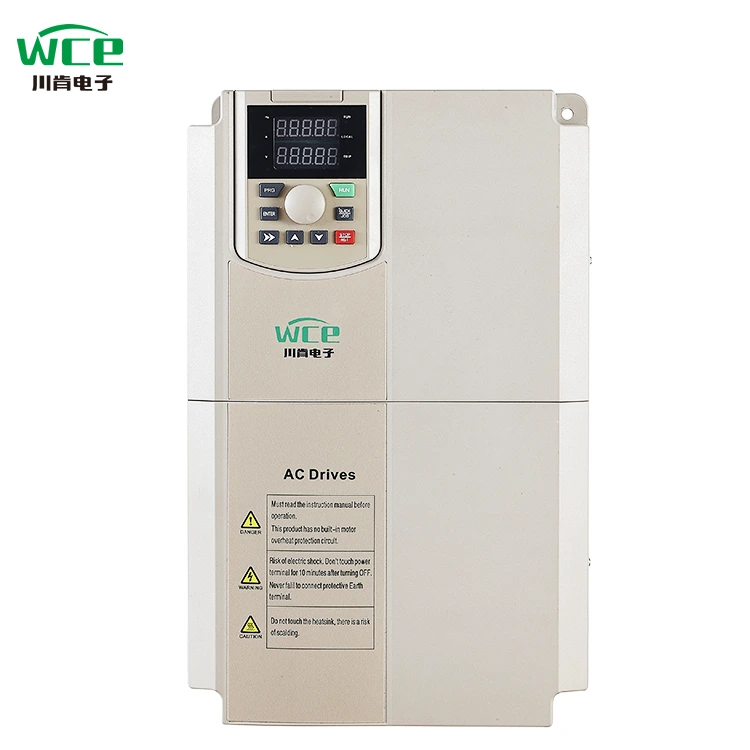
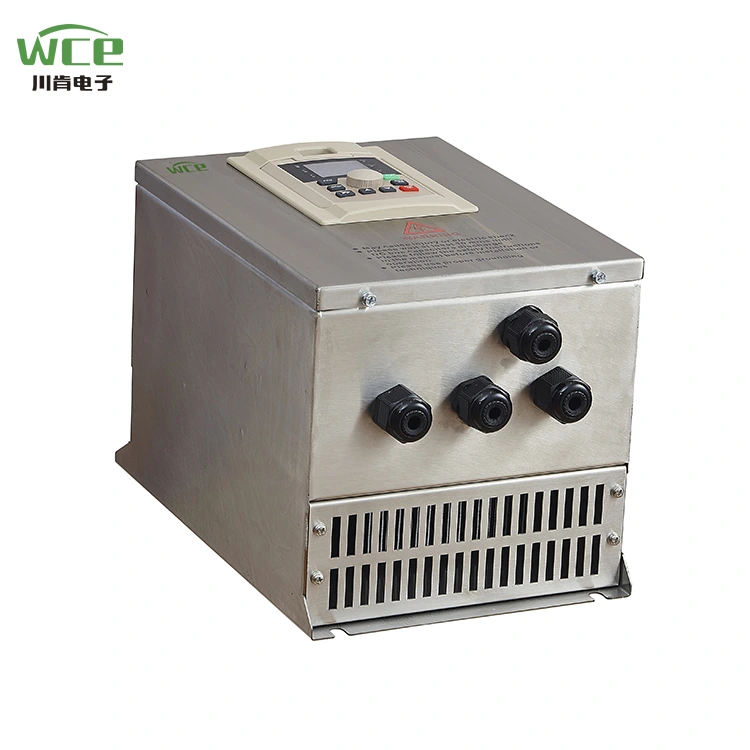
A High Performance Three Phase AC Drive


Article Outline
  • Industrial motor control challenges and operating costs
  • AC drive structure and frequency conversion principles
  • Performance functions and control technologies
  • Energy efficiency, process accuracy, and equipment protection
  • Industrial applications and purchasing considerations
  • Installation, maintenance, and common buyer questions

1. Why Do Industrial Motors Need Better Control?

Electric motors account for a significant portion of electricity consumption in industrial facilities. They power production lines, compressors, pumps, conveyors, fans, mixers, and many other machines. Although traditional motor control methods are widely used, they do not always provide the flexibility required by modern manufacturing.

One common problem is that many motors operate at a relatively constant speed even when production requirements change. For example, a water pump may continue running at full speed despite reduced demand. A ventilation fan may deliver more airflow than necessary, while a conveyor may operate faster than the actual material handling process requires.

These operating conditions can create several problems:

  • Unnecessary energy consumption: Motors may consume more electricity than the process requires.
  • Mechanical stress: Frequent direct starts and stops can increase stress on motors, shafts, belts, and connected machinery.
  • Limited speed adjustment: Fixed-speed operation makes it difficult to respond to changing production demands.
  • Process instability: Inconsistent motor speeds may affect product quality and production accuracy.
  • Higher maintenance costs: Excessive starting currents, vibration, and mechanical wear can increase maintenance requirements.

A high performance three phase AC drive addresses these challenges by allowing operators to adjust motor speed and torque according to real operating conditions. Instead of continuously operating at one fixed speed, the motor can work closer to the requirements of the application.

Practical insight: The greatest benefits of an AC drive are often achieved in applications where motor speed or load requirements vary throughout the operating cycle. Actual energy savings depend on the load profile, motor characteristics, system design, and operating conditions.

2. What Is a High Performance Three Phase AC Drive?

A high performance three phase AC drive is an electronic device that controls the speed, torque, and operation of a three-phase AC motor by regulating the frequency and voltage supplied to the motor.

It is commonly known as a variable frequency drive (VFD) or frequency inverter. By changing the output frequency, the drive adjusts the rotational speed of an AC motor. Advanced models also provide more accurate torque control, motor protection, communication functions, and flexible operating modes.

Basic Components of an AC Drive

1. Rectifier

Converts incoming AC electrical power into DC power. Its configuration depends on the drive design and input requirements.

2. DC Bus

Stores and stabilizes DC energy through capacitors and associated components before it reaches the inverter stage.

3. Inverter

Converts DC power into variable-frequency, variable-voltage AC output to control motor operation.

4. Control Unit

Processes operating commands, monitors feedback, and manages motor control and protection functions.

These components work together to deliver controlled electrical output. The performance of the drive depends on its hardware design, control algorithms, software configuration, and compatibility with the connected motor.


3. How Does a Three Phase AC Drive Work?

The working principle of a three phase AC drive is based on controlling the electrical frequency supplied to an AC motor. Motor speed is directly related to supply frequency and the number of motor poles.

For an induction motor, synchronous speed can be calculated using the following formula:

Synchronous Speed Formula:

Ns = (120 × f) / P

Where:

  • Ns: Synchronous speed in revolutions per minute (RPM)
  • f: Supply frequency in hertz (Hz)
  • P: Number of motor poles

For example, a four-pole induction motor has a synchronous speed of 1,500 RPM at 50 Hz. If the frequency is reduced to 40 Hz, its synchronous speed becomes 1,200 RPM. The actual induction motor speed is slightly lower because of slip.

The Main Operating Process

  1. Power input: Three-phase AC electricity enters the drive through its designated input terminals.
  2. Power conversion: The rectifier converts AC power into DC power.
  3. DC stabilization: The DC bus provides a stable intermediate power supply.
  4. Variable-frequency output: The inverter generates an AC output with adjustable frequency and voltage.
  5. Motor regulation: The connected motor changes its operating speed according to the drive settings and control commands.

This process allows the drive to provide smoother acceleration, controlled deceleration, and adjustable motor operation. Depending on the model, additional feedback and control functions can improve performance under changing load conditions.


4. What Features Define a High Performance AC Drive?

Not every frequency inverter offers the same level of control or protection. When evaluating a high performance three phase AC drive, industrial buyers should examine the following features.

4.1 Precise Speed and Torque Control

Accurate motor control is essential for applications involving material transportation, winding, mixing, and automated production. Advanced vector control technologies can provide improved torque response and speed regulation compared with basic control methods.

Depending on the drive configuration, control options may include voltage/frequency (V/F) control, sensorless vector control, and closed-loop vector control.

4.2 Smooth Starting and Stopping

Direct-on-line motor starting can produce high starting current and sudden mechanical movement. An AC drive allows users to configure acceleration and deceleration times, helping reduce sudden changes in mechanical loading.

4.3 Comprehensive Protection Functions

Protection functions help safeguard the drive and connected motor against abnormal operating conditions. Depending on the model, available functions may include:

  • Overcurrent protection
  • Overvoltage and undervoltage protection
  • Motor overload protection
  • Overtemperature protection
  • Phase loss detection
  • Short-circuit protection
  • Stall and abnormal operation monitoring

4.4 Flexible Communication and Automation Integration

Modern industrial systems often use PLCs, HMIs, and centralized control platforms. Communication interfaces allow AC drives to exchange operating commands and status information with other equipment.

Depending on the product, supported protocols may include Modbus RTU, CANopen, or other industrial communication standards. Buyers should confirm protocol compatibility before ordering.

4.5 User-Friendly Operation

An intuitive keypad, clear parameter display, convenient configuration options, and accessible fault information can significantly simplify commissioning and everyday operation.


5. How Does It Improve Industrial Operations?

The value of a high performance three phase AC drive extends beyond simple motor speed adjustment. It can improve several aspects of industrial operations when correctly selected and configured.

5.1 Improved Energy Management

In variable-torque applications such as centrifugal pumps and fans, reducing motor speed can significantly reduce power demand. Under ideal affinity-law conditions, fan and pump power requirements approximately vary with the cube of rotational speed.

This means a relatively small reduction in speed can produce a substantial reduction in power consumption. However, actual results depend on the system curve, efficiency, operating point, and equipment characteristics.

5.2 Reduced Mechanical Wear

Controlled acceleration and deceleration help reduce sudden mechanical impacts. This is particularly useful for conveyor systems, pumps, compressors, and machines with belts or gears.

5.3 More Consistent Production Quality

Certain manufacturing processes require stable speed and torque. A properly configured AC drive helps maintain the required motor operating conditions, supporting more consistent production.

5.4 Greater Operational Flexibility

Production requirements may change between product batches, operating shifts, and different process stages. Adjustable speed settings allow equipment to respond to these changes without necessarily modifying the mechanical transmission system.

5.5 Potentially Lower Maintenance Expenses

By reducing unnecessary mechanical stress and providing fault monitoring, an AC drive can help reduce certain maintenance requirements. However, proper installation, cooling, parameter configuration, and routine inspection remain essential.


6. Which Industrial Applications Benefit Most?

Three phase AC drives are used across a wide range of industrial environments. Their suitability depends on the motor type, load characteristics, operating conditions, and required control accuracy.

6.1 Water Pumps and Pumping Stations

Pumping systems frequently experience changing flow and pressure requirements. A variable frequency drive can adjust pump speed according to demand, helping maintain more stable system pressure and reduce unnecessary throttling losses.

6.2 Industrial Fans and Ventilation Systems

Ventilation and air-handling equipment often operate under changing airflow requirements. Speed regulation can help optimize airflow while reducing unnecessary energy consumption.

6.3 Conveyor Systems

Manufacturing and logistics facilities use conveyors to transport materials between production stages. AC drives support adjustable conveying speeds, controlled starting, and smoother material handling.

6.4 Compressors

Depending on compressor design, an AC drive can regulate motor speed to better match air or gas demand. Buyers should check compressor compatibility and minimum operating speed requirements before selecting a drive.

6.5 Mixing and Processing Equipment

Industrial mixers and processing machines may require different speeds at different stages. Adjustable motor control helps operators manage mixing intensity and process consistency.

6.6 Manufacturing and Automated Production Lines

AC drives are widely used in machinery requiring coordinated motor operation, including packaging equipment, material processing systems, and automated production lines.

Application Main Control Requirement Potential Operational Benefit
Water Pumps Flow and pressure adjustment Improved flow management and energy use
Industrial Fans Airflow regulation Flexible ventilation control
Conveyors Adjustable speed and smooth starting More controlled material handling
Compressors Speed adjustment according to demand Improved operating flexibility
Mixers Variable speed and torque Better process adjustment
Production Lines Coordinated motor operation More consistent manufacturing processes

7. How Should Buyers Select the Right AC Drive?

Choosing the right high performance three phase AC drive requires more than matching a motor's rated power. An unsuitable drive may experience frequent overloads, insufficient starting torque, overheating, or communication problems.

7.1 Confirm Motor Power and Rated Current

Check the motor nameplate for rated power, voltage, current, frequency, and speed. The drive's output current rating should meet the motor's requirements under the intended operating conditions.

Motor rated current is particularly important because two motors with the same rated power may have different current requirements.

7.2 Check Input and Output Voltage

Confirm the available power supply and the motor's rated voltage. Common industrial systems include 380 V three-phase supplies, although actual voltage standards vary by country and facility. Always verify the product's specified input voltage range.

7.3 Evaluate Load Characteristics

Different applications place different demands on the drive. Pumps and fans generally have variable-torque characteristics, while conveyors, mixers, and lifting equipment may require higher starting torque or more demanding overload capacity.

7.4 Choose the Appropriate Control Mode

  • V/F control: Suitable for many general-purpose applications with relatively straightforward speed requirements.
  • Sensorless vector control: Provides improved torque and speed performance without a motor encoder in many applications.
  • Closed-loop vector control: Uses feedback devices such as encoders to achieve more precise speed or torque regulation.

7.5 Consider Environmental Conditions

Installation location affects drive reliability. Ambient temperature, humidity, dust, vibration, altitude, and ventilation should all be considered.

If the drive will be installed in a dusty or humid industrial environment, check its enclosure protection rating and determine whether additional electrical cabinet protection is necessary.

7.6 Verify Communication and Expansion Requirements

If the drive needs to connect to a PLC, industrial network, or centralized monitoring system, confirm supported communication protocols, available terminals, and expansion options.

Selection Item What Buyers Should Verify
Motor Power Rated kW or HP and required output current
Voltage Input supply and motor rated voltage
Load Type Variable torque or constant torque characteristics
Overload Capacity Required overload percentage and duration
Control Mode V/F, sensorless vector, or closed-loop vector
Environment Temperature, humidity, dust, and enclosure rating
Communication PLC compatibility and supported protocols
Installation Mounting space, cooling, and electrical requirements
Buyer tip: Before requesting a quotation, prepare the motor nameplate information, application type, input voltage, operating conditions, and required communication functions. This helps suppliers recommend a suitable model and reduces unnecessary specification changes.

8. What Should Be Considered During Installation?

Correct installation is essential for safe and reliable AC drive operation. Even a high-quality drive may experience faults if electrical wiring, grounding, cooling, or parameter settings are incorrect.

Important Installation Considerations

  1. Provide adequate ventilation: Install the drive in a location that allows sufficient airflow and heat dissipation.
  2. Use appropriate wiring: Select cables and protective devices according to the manufacturer's specifications and applicable electrical standards.
  3. Ensure proper grounding: Follow the recommended grounding arrangement to improve electrical safety and reduce interference.
  4. Separate signal and power cables: Appropriate cable routing and shielding can help reduce electromagnetic interference.
  5. Configure motor parameters: Enter the motor nameplate data and configure acceleration, deceleration, and control settings as required.
  6. Perform a controlled test: Check motor rotation, operating current, temperature, and response before normal production begins.

Installation and commissioning should be performed by qualified electrical personnel. Always follow the drive manufacturer's documentation and local electrical safety requirements.


9. How Can Drive Reliability Be Maintained?

Regular inspection helps identify potential problems before they interrupt production. Maintenance requirements vary according to operating conditions, installation environment, and product design.

Recommended Maintenance Practices

  • Inspect cooling fans and ventilation passages for dust buildup.
  • Keep the electrical cabinet clean and adequately ventilated.
  • Check wiring terminals for signs of loosening or overheating.
  • Monitor operating temperature and abnormal noise.
  • Review fault records and investigate recurring alarms.
  • Inspect capacitors and other aging components according to the manufacturer's maintenance schedule.
  • Back up important drive parameters before making major changes.

Maintenance should always be performed after isolating the power supply and following the manufacturer's discharge-time and electrical safety instructions. DC bus capacitors may retain dangerous voltage even after the input supply has been disconnected.

A structured maintenance program can improve equipment availability, reduce unexpected downtime, and help industrial users maintain consistent production performance.


10. AC Drive vs. Traditional Motor Control

Traditional motor control methods remain suitable for applications that require simple fixed-speed operation. However, when production processes require variable speed, controlled starting, or more flexible automation, an AC drive offers additional capabilities.

Comparison Traditional Fixed-Speed Control Three Phase AC Drive
Speed Adjustment Limited or unavailable Variable speed regulation
Starting Method Often direct starting or starter-based Adjustable acceleration
Torque Control Limited flexibility Advanced control options available
Energy Management Limited speed-based optimization Can adapt motor speed to demand
Automation Integration Depends on control equipment Communication options available
Application Flexibility Best for simple fixed-speed tasks Suitable for variable-speed applications

The choice depends on the actual application. A drive is not automatically the most economical solution for every motor. Buyers should evaluate initial investment, energy consumption, maintenance requirements, and expected operating conditions together.


11. Frequently Asked Questions

Q1. What is the main purpose of a high performance three phase AC drive?

Its main purpose is to regulate the speed and torque of a three-phase AC motor by controlling output frequency and voltage. It helps improve operating flexibility, process control, and energy management in suitable applications.

Q2. Can a three phase AC drive reduce electricity consumption?

Yes. In applications with variable loads, especially centrifugal pumps and fans, adjusting motor speed to actual demand can reduce power consumption. The actual savings depend on the application, operating profile, and overall system efficiency.

Q3. Can an AC drive control different types of AC motors?

Many AC drives support three-phase induction motors, while certain models also support permanent magnet synchronous motors or other motor types. Compatibility must be confirmed with the product specifications.

Q4. What is the difference between a VFD and an AC drive?

In industrial applications, VFD and AC drive are often used interchangeably to describe equipment that controls AC motor speed through variable-frequency output. Product terminology may vary between manufacturers.

Q5. How do I determine the correct AC drive capacity?

Check the motor's rated current, voltage, and power, as well as load characteristics, overload requirements, and operating conditions. Selecting a drive based only on motor kilowatt rating may lead to an unsuitable configuration.

Q6. Does an AC drive require special maintenance?

Regular inspection of cooling systems, electrical connections, environmental conditions, and fault records is recommended. Maintenance intervals should follow the manufacturer's instructions and actual operating conditions.

Q7. Can an AC drive be integrated into a PLC control system?

Yes, many industrial AC drives provide communication interfaces and control terminals for PLC integration. Supported protocols, wiring requirements, and configuration options vary by model.

Q8. What information should I provide when requesting an AC drive quotation?

Provide motor power, rated current, input voltage, application type, load characteristics, required control functions, and installation environment. Sharing a motor nameplate photograph can also help the supplier evaluate your requirements.

Q9. Is a high performance AC drive suitable for continuous industrial operation?

Many industrial AC drives are designed for continuous operation within their specified ratings. However, correct sizing, ventilation, ambient temperature, overload conditions, and maintenance are essential for reliable service.

Q10. Why should I choose an experienced AC drive manufacturer?

An experienced manufacturer can provide technical product information, application guidance, model recommendations, and after-sales support. These services help buyers select compatible equipment and reduce potential commissioning issues.


12. Conclusion: Improve Motor Control with the Right AC Drive

A high performance three phase AC drive is an important component in modern industrial motor control. By regulating motor speed and torque, it can help manufacturers address common operational challenges such as unnecessary energy consumption, mechanical stress, inconsistent production speeds, and limited process flexibility.

However, achieving reliable performance requires more than choosing a product with a high power rating. Motor compatibility, control technology, overload capacity, environmental conditions, installation, and technical support should all be evaluated before purchasing.

For industrial buyers, working with a professional manufacturer makes it easier to identify the appropriate drive configuration and match equipment performance with real production requirements.

Looking for a Reliable Three Phase AC Drive Solution?

Zhejiang Chuanken Electric Co., Ltd. focuses on industrial electrical drive solutions and motor control applications. Finding the right AC drive starts with understanding your motor specifications, operating conditions, and production requirements.

Whether you need a drive for pumps, fans, conveyors, or automated manufacturing equipment, selecting the right configuration is essential for stable and efficient operation.

Have questions about product specifications or application compatibility? Contact us to discuss your requirements and explore a suitable industrial AC drive solution for your business.

Contact Us
Related News
Leave me a message
X
We use cookies to offer you a better browsing experience, analyze site traffic and personalize content. By using this site, you agree to our use of cookies. Privacy Policy
RejectAccept